Laughing and crying, you know it's the same release. Joni Mitchell

Laughing and crying, you know it's the same release. Joni Mitchell
Showing posts with label fibromyalgia treatments. Show all posts

Monday, September 10, 2012

Neuropathic Pain Study for FM

English: This is the main entrance of MGH in B...English: This is the main entrance of MGH in Boston, MA. The building on the right is the White Building. The building on the left is the Lunder Building. (Photo credit: Wikipedia)I'm considering participating in a neuropathic pain study for fibromyalgia patients at Massachusetts General Hospital in Boston. I've always wanted to participate in a FM study, but most studies require patients to go off their meds, which scares me. If I'm finally feeling better ON my meds, why would I want to go OFF of them?! This involves a small skin biopsy and does not require the participants to change or drop any medications. I've contacted the study and asked for more information. I'll let you know what I find out and if I will participate.

  • Laboratory Evaluation of Neuropathic Pain
Do you suffer from fibromyalgia?
We seek males and females who suffer from fibromyalgia, to participate in a neuropathic
pain study. You must have never had diabetes. This study involves one to two visits to
Massachusetts General Hospital during which you will have a glucose tolerance blood test to screen for diabetes. Recent normal results of this test can be used instead. You will also have two small punch skin biopsies removed from your lower leg under local anesthesia. Payment for participation is offered. For more information, please contact one of our study staff of The Nerve Injury Unit at 617-726-9391 or email us at NerveUnit@partners.org.
Institution  –  MGH - Massachusetts General Hospital, Boston, MA
Principal Investigator  – Anne Louise Oaklander, MD
  
Enrollment Information
For further information about enrolling a patient in this trial, contact the person below.
Name  – Kate O'Neil
Email  – kboneil@partners.org
Phone  – 617-726-9391

For more information see:

clinical trial

Thursday, July 19, 2012

Art Therapy on Orr's Island


Mackerel Cove, Orr's Island
Last week I participated in a four-day plein air painting workshop on Orr's Island in Maine. It was a wonderful experience from the gentle encouragement of our instructor, Marjorie Glick (check out her amazing watercolor paintings at marjorieglick.com), to the perfect weather, to the inspiring landscapes and breathtaking seascapes, to the talented and supportive company, to the graciousness of our hosts, and to the deliciousness of the macrobiotic meals (expect for the succulent soft-shell lobsters we had one night!). I enjoy plein air painting (painting outdoors) and it was a treat to have four whole days to do what I love to do. It was food for the soul.

One afternoon, I was taking a rest on a blanket in the grass. I was close enough to the ocean to hear the sound of the surf. I felt the warmth of the sun on my skin and the gentle breeze in my hair. I heard the wind in the trees and the calls of the crows mixed with the sound of the sea. As I was drinking it all in, I remembered a quote from the Talumd (a collection of rabbi's commentaries on the Five Books of Moses):
Every blade of grass his its angel that bends over it and whispers, "Grow, grow."
                                     ~The Talmud
I realized that I was the blade of grass and the whole experience of being in that awe-inspiring place with other artistic souls creating beautiful paintings was whispering to my soul and helping me to grow.
My watercolor of Alison's Beach

I must admit that I had some concerns regarding my health and being able to fully participate in the workshop. First of all, four days of intensive creative work out in the elements could really flare up my fibromyalgia. I emailed the instructor ahead of time and explained my situation. Marjorie was very understanding and assured me that I could take things at my own pace. During the workshop, she periodically checked in on me and made sure I was getting enough rest. Second of all, I was worried that I would be too tired to drive home after four days of painting. Originally I was going to stay an extra night to rest up before the three hour drive, but my daughter unexpectedly came home from camp with mono, and I needed to get home as soon as the workshop ended. Luckily, I had another workshop student with me in the car who helped me navigate and kept me awake with lively conversation.

Most importantly, I was worried about my lack of creative drive. Since dealing with the extraordinary health issues of the last two years - which I've chronicled in this blog - my creative drive has been in deep hibernation. Characters who had once urged me to write down their stories had gone silent. The desire to draw new illustrations was non-existent. While my physical body had mostly recovered, my emotional body and spiritual body were still wounded and in need of healing. When I thought about the workshop, I was worried that I would be a feast with no appetite! I'm happy to report that I ate my fill at the feast - literally and figuratively - and felt nourished by the renewed connection with my creative side. Now that I'm back home, I don't know if the creative juices will continue to flow. In any case, I'm reassured that they are not completely dried up and that the creative well will be there to draw from when I'm ready.
Sunset over Beal's Cove, Orr's Island


Enhanced by Zemanta

Wednesday, April 11, 2012

HCG as an Elimination Diet

A variety of foods made from wheat.A variety of foods made from wheat. (Photo credit: Wikipedia)An elimination diet is when you eliminate common food allergens such as wheat, dairy, soy, corn, eggs, fish, shell fish and peanuts for several weeks. Then when you reintroduce those foods - one by one - you can tell if your body has an adverse reaction, such as bloating, fatigue, indigestion, etc. Since the hCG diet consists of only lean protein with limited fruits and vegetables, it acts as an elimination diet as well.

A few years ago, I developed an itchy scalp. I tried several different kinds of shampoos and scalp treatments with varying degrees of success. It didn't seem to be tied into the season like other areas of eczema, which get worse in the dry winter weather. However, it went away completely while I was on phase 2 of the hCG diet, but came back on phase 3. However, I wasn't sure if that was due to using an oil-free shampoo on phase 2 and then going back to my regular hair care. During phase 3, I was not supposed to eat any starch, but I cheated a little bit here and there. Then as Passover approached, I was assigned to bring matzoh kugel to the Seder. As I prepared the kugel, I cheated big time and ate an entire piece of matzoh, which is made from wheat flour and water. The next day, my scalp was on fire and none of my usual treatments had any effect on calming it down. I realized it had to be the wheat! My body was reacting to the wheat with an allergic response. I then made a concerted effort to avoid any type of wheat - which shows up in so many kinds of foods - and the itching started to go away until my scalp stopped itching altogether.

I've been avoiding gluten (found in wheat, barley and rye) and dairy since July as a recommendation from my doctor as an anti-inflammatory diet to treat the fibromyalgia. Now I know that wheat not only causes inflammation inside my body, it creates inflammation of the skin as well. I did find a gluten-free matzoh, which was a big hit at the Seder. One guest who had celiac couln't eat wheat at all, and she really liked the gluten-free matzoh. The kids liked it better than the regular kind. Guess I'll stick with the gluten-free matzoh for all my future Passover Seders!
"Holyland" brand matzah, machine-made in Jerusalem and purchased at Trader Joes in the United States (Photo credit: Wikipedia)
Enhanced by Zemanta

Sunday, February 12, 2012

Is hCG the "cure" for obesity?

Diet and NutritionIf something sounds too good to be true, it usually is. But in this case, I'm making an exception. Proponents of the hCG diet along with the Simeon protocol claim that pounds and inches will literally melt away. I've lost 7 lbs in 7 days, and in all the right places, like my waist (down 1.5") and stomach. I tried every kind of mainstream diet from Weight Watchers to South Beach to protein shakes, etc., etc. No matter how much I dieted or exercised, the scale would not budge. And I had already eliminated gluten, dairy, sugar and yeast to control the fibromyalgia but the scale did not reward me for my efforts. The hCG diet not only claims to provide a rapid weight loss, it also claims to re-sculpt your body by burning the "famine fat" stored in the stomach, hips, butt and thighs. On top of that, the benefits are supposed to include lowered cholesterol, blood sugar, triglycerides, and blood pressure - all of which have been creeping up to unhealthy levels for me. Also, one woman claimed that the diet eliminated her fibromyalgia pain! If it does even half of that for me, I'll be much healthier than when I started.

Here's how it works: hCG, or Human chorionic gonadotropin, is a hormone manufactured by the body in large amounts during pregnancy. In fact, hCG is the hormone detected by pregnancy tests. The hormone signals the brain to tell the body to burn the stored fat to sustain mother and fetus. However, men respond to the diet in the same way, if not better, than women. The hCG diet allows you to lose fat from the inside out by burning the long-term stored fat (adipose fat) first, then burning the normal fat under the skin and the structural fat around muscles and organs. This is opposite from most diets that burn the structural and normal fat first, leaving a gaunt and saggy body.

The protocol was first developed by Dr. A.T.W. Simeons in the 1950's. Dr. Simeons used injections of hCG hormone, which had unwanted side effects, such as increased risk of blood clots (don't want to go down that road again!). Now, homeopathic drops have been developed which deliver the same effect without the side effects. The reason Dr. Simeons called it a "cure" for obesity is because hCG retrains the brain to respond to hunger cues and signals to stop storing fat.

I must warn you that it is a very extreme, restricted diet. After the first two days, calories are limited to 500 calories a day, which opponents claim is starvation level. However, proponents of the diet claim that the hCG causes the body to release thousands of extra calories into the body, staving off hunger pains. I have to admit that I have been very hungry on the VLCD, Very Low Calorie Diet, but it seems easier as the days go by. It's also important to drink half your body weight in ounces of water. So, if you weigh 150 lbs. you need to drink at least 75 oz. of water a day. It helps fill you up and flush out all the toxins and fat released by the diet.

I will continue to report on my progress as I complete the protocol. Here's to losing more pounds and inches!
Enhanced by Zemanta

Wednesday, January 4, 2012

I Can See Clearly Now...

I Can See Clearly NowImage by katerha via Flickr...is my theme song for 2012. On Monday I was driving to my health club (just like in my dream) with my daughter when "I Can See Clearly Now" came on the radio. I told my daughter that I love this song and started to sing along. But as I really listened to the words, I started to cry. After finally coming through my "lost" year, the lyrics were speaking right to my heart: I think I can make it now, the pain is gone; All of the bad feelings have disappeared; Here is the rainbow I’ve been prayin' for... Then on Tuesday I was at my health club again waiting for my water aerobics class to start and the first song on the instructor's work-out mix was - you guessed it - I Can See Clearly Now! Of course, I sang along again, but this time I didn't cry, I just smiled. The instructor never uses the same music twice, so this song was a direct message from the Universe to me.

This goes out to all of you who have been prayin' for a rainbow after the rain:

I Can See Clearly Now
by Johnny Nash

I can see clearly now, the rain is gone,
I can see all obstacles in my way
Gone are the dark clouds that had me blind
It’s gonna be a bright (bright), bright (bright)
Sun-Shiny day.

I think I can make it now, the pain is gone
All of the bad feelings have disappeared
Here is the rainbow I’ve been prayin' for
It’s gonna be a bright (bright), bright (bright)
Sun-Shiny day.

Look all around, there’s nothin' but blue skies
Look straight ahead, nothin' but blue skies

I can see clearly now, the rain is gone,
I can see all obstacles in my way
Gone are the dark clouds that had me blind
It’s gonna be a bright (bright), bright (bright)
Sun-Shiny day.


Lyrics | Johnny Nash - I Can See Clearly Now lyrics


Enhanced by Zemanta

Wednesday, December 21, 2011

Nerve Stimulating Implants for Fibromyalgia Treatment

Peripheral Nerve Stimulation


The leader of my FM support group sent an email link to an article in Health.com about an unproven but promising new method for treating fibromyalgia pain called Peripheral Nerve Stimulation (PNS). The treatment was recently highlighted in a local news broadcast in the Boston area. According to examiner.com, PNS is "the implanting of wire electrodes just beneath the skin of the patient’s head or lower back. The other ends of the electrodes connect to a battery-powered stimulator that delivers electrical current to the nerves." PNS, or greater occipital nerve stimulation, has already been used successfully to treat occipital neuralgia (pain in the upper neck, back of head & behind ears; sometimes the scalp, forehead, behind eyes) and various primary headache syndromes, such as migraines. The occipital nerve is located on the back of the head just above the neck area. The FDA has not yet approved this treatment for FM but it is being researched. However, there are some difficulties in establishing a control group since the electrical stimulation has physical sensations that can't be recreated as a placebo.

The entire article is reprinted below:

Nerve-Zapping Implants Could Relieve Fibromyalgia

First Posted: 07/ 1/11 03:04 PM ET Updated: 08/31/11 06:12 AM ET
http://www.health.com/health/
After 15 years of battling fibromyalgia with medication and exercise, Lisa Simpson still had cramping, spasms, and pain all over her body. "Just to have my 7-pound Chihuahua walk over my legs would cause severe pain," the 37-year-old medical assistant recalls.
Simpson had all but given up on finding relief when, in 2004, she saw a ray of hope. She was working in the office of an anesthesiologist at Griffin Hospital in Derby , Conn. , Mark Thimineur, M.D., who had begun surgically implanting tiny, nerve-stimulating devices into fibromyalgia patients.
"Some of the patients could barely make it from one end of the office to the other," she recalls. After the treatment, "they had a spring in their step" and were "like a totally different person."
The treatment, known as peripheral nerve stimulation (PNS), entails implanting wire electrodes that are about 2 millimeters thick just beneath the skin of the patient's head or lower back. The electrodes, which are connected to a battery-powered stimulator, deliver a mild -- and usually imperceptible -- electrical current to certain nerves.
The technique is commonly used for severe back pain, leg pain, and headaches, but Dr. Thimineur is one of just a handful of doctors who use PNS to treat fibromyalgia, a poorly understood and hard-to-diagnose condition marked by widespread pain and tenderness.
The Food and Drug Administration (FDA) has not approved nerve stimulation for fibromyalgia (or headaches). It's considered an experimental treatment and is used only in people with near-disabling fibromyalgia who have failed to respond to other treatments.
However, up to 40 percent of the approximately 10 million fibromyalgia patients in the U.S. fall into that category, and if PNS proves beneficial, it could potentially help tens of thousands of people, without the side effects of prescription drugs.
But for that to happen -- and for insurance companies to agree to foot the hefty bill (it can cost up to $90,000) -- clinical trials will need to prove its safety and efficacy. "This is on the cutting edge, or witchcraft," says Peter Staats, M.D., a pain doctor in private practice in Shrewsbury , N.J. "We haven't decided which yet."
The results described by patients can indeed sound too good to be true. Simpson underwent the treatment herself, and she estimates that it halved her fibromyalgia symptoms.
"It was like a light switch," says Simpson, who now helps Dr. Thimineur counsel and monitor patients receiving nerve stimulation. "As soon as the machine was turned on, it was like night and day."
A tingling sensation
The treatment may sound intimidating, but the mechanics of PNS are straightforward: A doctor inserts four electrodes in the base of a fibromyalgia patient's head and connects them via wire to a wearable, beeper-size power source, producing what some patients call a "Frankenstein" look. (For back or leg pain, the electrodes are placed in the lower back.)
At first, to increase the likelihood that the patient will respond to the treatment, the wires deliver a current powerful enough that many patients feel a tingling. If the patient's symptoms get better during the trial period, a surgeon "tunnels" the wires under the skin and implants a battery about the size of a poker chip in the buttock or lower back. Once the devices are implanted, the doctor typically reduces the current until the tingling sensation disappears.
Although pain experts aren't entirely certain why PNS improves fibromyalgia symptoms, they suspect that the electricity blocks pain signals from reaching the brain by disrupting a set of nerves in the spinal cord. These nerves have "a direct connection to almost every part of your brain," says Dirk De Ridder, M.D., a neurologist in Belgium who is researching the technique.
"It's a relatively easy thing to try if everything else has been exhausted," says Dr. Staats, who uses the technique on patients with headaches and pinched nerves, but not fibromyalgia.
How well does it work?
Since 2002, Dr. Thimineur has used peripheral nerve stimulation on about 600 patients with different types of chronic pain. (In May, he and several colleagues received a patent for the technique he uses.)
The improvement that Simpson saw is the norm rather than the exception, Dr. Thimineur says. He estimates that between 50 percent and 60 percent of his fibromyalgia patients experience a 50 percent reduction in pain (a common benchmark used to assess pain treatments), qualifying them for an implant.
Mark Plazier, M.D., a neurosurgeon and colleague of Dr. De Ridder's at University Hospital Antwerp, in Belgium , says that the overall improvement in a patient's quality of life is even more impressive than the pain reduction. "They just get back into shape, back into society," he says.
The treatment doesn't always go smoothly. Finding the right level of electrical current for each patient is more art than science: Too low, and the pain relief will be negligible; too high, and side effects such as anxiety -- and, counterintuitively, headaches -- can occur. (If the current is right, side effects are minimal, Dr. Staats says.)
Lori Masters, a 46-year-old mother of four, received the treatment from Dr. Thimineur in 2005 to treat her chronic headaches. Although it didn't help her migraines, Masters says the stimulation "totally obliterated" her fibromyalgia pain, increased her energy, and cleared the mental cloudiness known as "fibro fog." But these benefits came at a price. For the first year, she experienced tingling and irritability because settings on her stimulator were too high.
"I would get jittery and anxious, like I had too much coffee," she says. "I found myself yelling at my kids, which I don't usually do."
Dr. Thimineur decreased the current at each monthly visit, to the point where it was actually too low. Masters lost her jitters and anxiety, but her pain came back, and she felt exhausted. After a small increase, Dr. Thimineur hit upon the right level for her. She has done well ever since and can now attend her daughter's basketball games -- something she was in too much pain to do before.
The challenges of research
Joshua Greenspan, M.D., a pain specialist in private practice near Portsmouth , N.H. , has treated at least 50 fibromyalgia patients with nerve stimulation. But he says more research is needed for doctors to embrace the technique. "There has to be at least one paper with at least 100 people in it," says Dr. Greenspan, who first learned about using nerve stimulation for fibromyalgia from Dr. Thimineur.
In order to demonstrate the treatment's efficacy for fibromyalgia, randomized, placebo-controlled trials will have to rule out the possibility that the placebo effect is responsible for the pain reduction. Designing a placebo (or "sham") version of nerve stimulation can be a challenge, however; because the electrical current often produces a noticeable tingling, it's difficult to "blind" a patient to whether she's receiving the real thing. (The research supporting other nerve-stimulation techniques, such as the treatment known as TENS, has been called into question for this reason.)
Separating the treatment effect from the placebo effect may be especially tricky with fibromyalgia. Compared to, say, back pain, the disorder is relatively difficult to diagnose and often overlaps with other health conditions that contribute to pain symptoms, including lupus, arthritis, and depression.
Dr. Plazier and Dr. De Ridder think they've found a way around the placebo problem. In a recently completed study that included 11 fibromyalgia patients, they dialed back the amount of current such that the patients experienced pain relief but no tingling sensation. Then, over two five-week periods, they compared the effect of this "subthreshold" current to the effect of the wires being off altogether, without the patients knowing which was which.
The preliminary findings -- which have not yet been accepted by a peer-reviewed journal -- are encouraging, the researchers say, and they are now conducting a similar study with 40 patients that they hope to finish next summer.
Still, it's likely to be several years before nerve stimulation becomes a mainstream treatment for fibromyalgia. "The way we're using peripheral nerve stimulation is more of a paradigm shift," Dr. Thimineur says. "Paradigm shifts occur slowly."
Costs and benefits
Proving that peripheral nerve stimulation is superior to placebo will be necessary in order for insurance companies to agree to pay for the procedure. Currently, some insurance companies -- and in some states, Medicaid and Medicare -- cover the treatment for chronic headaches and other pain conditions, but not fibromyalgia.
Dr. Greenspan estimates that private insurers would recoup the costs of the treatment in about two years if they decide to cover eligible fibromyalgia patients. Part of the savings would come from medications, which most patients can stop taking after beginning nerve stimulation, Dr. Greenspan says.
Simpson discontinued her regular pain drugs within two months of getting her implant, and now she only takes them to help with brief spells of "breakthrough" pain. As with many nerve-stimulation patients, her pain returns every year or so -- a signal that she needs to have her stimulator setting readjusted.
After Simpson's last episode of breakthrough pain, Dr. Thimineur upgraded her stimulator battery and moved the wires slightly higher up in the back of her head, where they have a stronger effect. For the first time in six years, she was current-free for several weeks while Dr. Thimineur evaluated her baseline level of pain.
"I can see all the old pain starting to come back with the stimulator off," says Simpson, who missed more work than she could make up in those weeks. "I don't know how I managed before."


Enhanced by Zemanta

Tuesday, November 15, 2011

Beat the Blues: 10 Ways to Happy

Insomnia smileyImage via WikipediaPeople with fibromyalgia are susceptible to mood disorders, like depression and anxiety, and I'm no exception. I've been dealing with sleep disturbances and anxiety for the last few weeks. I've been waking up every night between 4:30 and 5:30 am. As soon as I realize I'm awake, I get a flush of anxiety and I can't get back to sleep. I've been working with my therapist to figure out the source of my anxiety, which pops up in my dreams and makes it difficult to sleep. Or it could be too much T3 (thyroid hormone) that I'm taking for Thyroid Hormone Resistance Syndrome, so I'm stepping down the T3 to see if my symptoms abate.

Anyway, given my current state of mind, I was intrigued when I saw a link called 10 Ways to Have a Happier Life. Dr. Andrew Weil, Founder and Director of The Arizona Center for Integrative Medicine, wrote a book called Spontaneous Happiness about ways that can help people achieve and maintain happy lives. He says that "happy" does not mean "endless bliss" but "a state of contentment and serenity" from which someone can still have emotional highs and lows, but be able to easily return to a pleasant state of mind. I found it very interesting that I was already practicing all of the first five points in part one and most of the last five in part two.
The anti-inflammatory food pyramid

The first five suggestions include:  
  • exercise
  • anti-inflammatory diet
  • fish oil and vitamin D
  • anti-depression supplements
  • breathing exercises. 
All are great methods for anyone with fibromyalgia. Exercise is key, especially low impact exercises like water aerobics and walking. Dr. Weil says, "For treatment of depression and anxiety disorders, activities of moderate intensity, like brisk walking, are more successful than very vigorous activity." Systemic inflammation is a problem in FM, so following an anti-inflammatory diet is helpful. My doctor told me to avoid dairy and gluten, which are both inflammatory. Dr. Weil provides an anti-inflammatory food pyramid. Of course, fish oil helps with inflammation and most people are deficient in Vitamin D, so that helps, too. I use SAM-e, a naturally-occurring molecule found throughout the body, as an anti-depression supplement. SAM-e really helps elevate mood. I could feel a difference almost immediately once I started using it. According to Dr. Weil "the usual dosage is 400 to 1,600 milligrams a day, taken on an empty stomach.  Take lower doses (under 800 milligrams) once a day, a half hour before the morning meal; split higher doses, taking the second a half hour before lunch." Also, breathing exercises are key to calming down the revved up autonomic nervous system found in FM patients. We're always in the "flight or fight" mode, even when there is no danger present. Breathing exercises, such as alternate nostril breathing, help keep us calm.

The last five suggestions include: 
  • Cognitive Behavioral Therapy (CBT)
  • laughter
  • limiting media exposure
  • forgiveness
  • practicing gratitude
Dr. Don Goldenburg, a specialist in fibromyalgia, highly recommended CBT as a way of dealing with the various symptoms of FM. CBT is based on the concept that our thoughts affect how we feel. Personally, I have been working to transform negative thought patterns into positive thoughts and affirmations to help me feel better, and it works to a certain extent. We all know that laughter is the best medicine! Dr. Weil suggests laughter yoga which combines "Unconditional Laughter with Yogic Breathing." That includes both laughter and breathing exercises. As for limiting media exposure, I stopped watching the news long ago. I would get too depressed and upset and decided it just wasn't worth it. I don't have a smart phone and I'm pretty bad about checking Facebook, too. Dr. Weil suggests replacing virtual media time with face to face interactions with other human beings. Forgiveness can be a difficult process and something that I'm working on in my life. Dr. Weil says forgiveness can be cultivated and cites The Stanford Forgiveness Project. Practicing gratitude can also be cultivated. I used to keep a gratitude journal, writing down 5 things I was grateful for each day, but I've fallen out of the practice. Maybe it's time to start it up again:
  • I'm grateful that I feel much better than I did six months ago
  • I'm grateful that my son will be coming home from college for Thanksgiving
  • I'm grateful that the power is on and I can type up this post
  • I'm grateful to be writing the holiday gift guide for my local paper
  • I'm grateful that no one was hurt in the fender bender I had in a parking lot

What are you grateful for?


Enhanced by Zemanta

Sunday, November 6, 2011

The Rothfeld Center VS The Marino Center

Photo of the boxing portion of a Chess-Boxing ...Image via WikipediaIn one corner, a small private practice for integrative medicine and in the other corner, a large group practice for integrative health. Both are heavyweights in holistic treatment, but which one will be the winner? I'm being treated by doctors at both centers and after three or four rounds, so far, no knock-outs, but certainly some good punches.

Actually, I've been meaning to post this article for some time, but life has intervened. Which is a good thing because it means I'm feeling good enough to have a life! My time is not just about going to the doctor or the acupuncturist or the physical therapist anymore. I'm writing for my local paper, going to my daughter's cheer leading competitions, visiting my son at college and going to my first college football game - tailgating and all. And of course, Mother Nature threw us a curve ball with a freak October snowstorm that knocked out our power for several days. I didn't realize how much we depend on electricity until I didn't have it - lights, heat, TV, computer, internet, phone - and in some cases even flushing the toilet! It was certainly a lesson in gratitude and I'm grateful that the power is back on so I can write and post this article.

I was reading through a sleep journal I kept last winter and I realized how far I've come. I was waking every few hours all night every night; my hot flashes were explosive; I was depressed and anxious; I was bone-tired fatigued and everything hurt. My neurotransmitters were barely registering and my adrenals were flat-lined. I was a mess! But I have to give much of the credit to The Rothfeld Center for getting me back to some semblance of a normal life. They have been treating me aggressively since last spring and I feel like it's finally paying off. I had to wait five months to get into see the doctor at The Marino Center, so I feel like the more recent treatment at The Marino Center has been ancillary to the treatments I've been receiving at The Rothfeld Center.

Now, a direct comparison between the approaches of The Rothfeld Center and The Marino Center:

Diagnosis:
When I first went to The Rothfeld Center, I went through a battery of tests, including blood tests, spit tests, vision/neuro-toxin tests, heavy-metal tests and DNA tests. Then once those results came back, I had more blood tests to get more specific results. I must say that the labs screwed up my blood tests more than once causing me to go back for more blood draws, which was annoying and painful. Based on all that information, Dr. Rothfeld told me that I have toxins in my body and neuro-toxins in my brain. It could have been from mold or some other toxin. Also, because of my DNA, I'm extremely vulnerable to toxins and it's harder for my body to get rid of the toxins once I have them. He also diagnosed me with insulin resistance and thryroid resistance syndrome. In addition, my neurotransmitters and adrenals were shot.

When I finally got into see the doctor at The Marino Center he was surprised that his top go-to tests for fibromyalgia had never been performed on me. I was surprised, too, given the battery of tests I had just undergone at The Rothfeld Center. I had a blood draw at the office to determine food sensitivities to 180 different foods and I took home a stool test to look for yeast in the gut. I won't go into details about the stool test but it wasn't pretty! I was glad I took both tests because they showed problems that weren't uncovered at The Rothfeld Center. The stool test showed that I had both good bacteria and bad bacteria in my gut. It also showed that I had candida, or yeast, in my gut, too.

Treatment:
infusion bagsImage via WikipediaEven before my test results came back at The Rothfeld Center, Dr. Rothfeld put me on magnesium-IV therapy, his go-to treatment for fibromyalgia.Once my results came back, he started me on a no-starch diet for the insulin resistance, which means no grains or starchy vegetables. Then he put me on a detoxification program, including a cleanse and a protocol of medications and supplements. He also put me on several supplements to boost my neurotransmitters and support my adrenal system. For the thyroid resistance syndrome, I'm following Wilson's T3 Protocol, using T3 supplementation to boost my metabolism.

Once I got my stool test results back at The Marino Center, Dr. Bordiuk was able to target my treatment. The lab had tested my sample with various anti-boitics on the bacteria and anti-fungals for the yeast so we could see which ones actually worked. I was on the anti-biotic/anti-fungal protocol for two to three weeks. I haven't noticed a huge improvement in my symptoms, but perhaps my symptoms would have been worse had I not treated the bacteria and yeast in my gut. As for the food sensitivities, Dr. Bordiuk told me to follow the 4-Day Rotation Diet. Foods without any "stars" are fine to consume. Foods with one star can be eaten every four days. For instance, if I eat blueberries or pinto beans on Monday, I can't eat them again until Friday. Foods with two or three stars must be avoided for four months. Then I can try them again one at a time. If I have a reaction, I have to continue to avoid that food. If I don't have a reaction, I can eat that food using the 4-day rotation.

Appointments:
I've noticed a very different approach to appointments between the two centers. At The Rothfeld Center, appointments almost always run late. However, the doctors always spend a good amount of time with me and answer all my questions. I never feel rushed. On the other hand, I have to schedule three or four hours out of my day every time I go there.

At The Marino Center, appointments run close to on-time. I've waited up to 15 minutes but usually no longer than that. But appointments are booked every half an hour and if I'm late my appointment gets squeezed. Even when I'm on time, half an hour seems rushed and I don't always have time to get all my questions answered. On the other hand, I'm in and out of there within an hour and I have the rest of the day to live my life.

Results: Fibromyalgia is a tricky condition to treat. It's hard to tell which treatments I've received at either center have helped or not. I've seen several doctors at The Marino Center over the years with varying success. This is the first time I've tried going to The Rothfeld Center and so far, I think their approach is helping overall, but it's hard to pinpoint the results of specific treatments. In either case, I'm glad to have several reputable medical professionals to help me manage this life-altering condition. Now I have more than one resource to turn to when the going gets rough!

Saturday, September 17, 2011

The Gift of Visualization

A Healing Image: Secret Harbor Beach on St. Thomas
I've always been a visual person - I remember faces but not names; I have to write down a math problem in order to solve it and my subconscious sends me amazing images whether in waking dreams, sleeping dreams or shamanic journeys. But it wasn't until recently that I found that I could use that strength to help others.

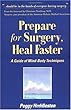
Over Labor Day weekend, my 84-year-old father ended up in the hospital after passing a gal stone that inflamed his pancreas. His doctors suggested surgery to remove his gal bladder to prevent a similar situation in the future. I was visiting friends in Maine at the time and he was in a hospital in KC. Although I could only call him long distance, I wanted to help him as much as I could. I remembered some mind-body techniques that helped me tremendously when I was facing brain surgery several years ago that I learned from a book and CD by Peggy Huddleston called Prepare for Surgery, Heal Faster. Huddleston's main theory is that going into surgery with a relaxed, positive state of mind helps one feel calmer before surgery, strengthen the immune system, use less pain medication and heal faster. My dad believed that it works because he remembered how calm I was before surgery and what a nervous wreck he was worrying about me. He said he would stay positive and try to relax.

Another technique that I borrowed from Huddleston was to ask my friends and family to send me healing thoughts on the morning of my surgery. When I asked my dad if it was okay for me to make the same request on his behalf, he said, "It couldn't hurt!" When I awoke on the morning of my dad's surgery, I tried to send him healing thoughts, but I couldn't get my mind to settle down. I tried to visualize him wrapped in a blanket of healing light, but other thoughts kept intruding. I was getting very frustrated, because this was so important to me.

Suddenly, I heard a voice inside my head say, "You have a gift - now use it!" Instantly, I was transported to the beach on St. Thomas where I went with friends for rest, relaxation and rejuvenation while healing from bi-lateral lung embolisms. I saw my dad and I on the beach together. I felt the healing warmth of the sun and the gentle breeze in my hair. I heard the relaxing sound of the surf and I saw the beautiful turquoise water. I called my dad before his surgery and told him about my vision of the two of us on the beach in St. Thomas. I wished him good luck and said good-bye.

His surgery went very well that afternoon and he recovered quickly. He didn't even need pain meds when he was in the recovery room! He had good color in his face, good spirits and was able to go home the following day. I called him at home to see how he was doing. He tells me, "So, I'm lying on the gurney (going into surgery) and I'm visualizing the two of us on the beach on St. Thomas." I said, "Really?" And he said, "Pardon my French - no shit, I really did!"

I was thrilled that not only did he take my advice to relax and stay positive before surgery, but he used the exact imagery that my subconscious had conjured up. I'm so happy that my gift for visualization could help someone I love.

My advice to all of you, is to buy Huddleston's book and CD, whether you have an upcoming surgery or not. The Relaxation/Healing CD contains a 20 minute guided visualization to help you relax and doesn't specifically mention surgery. Besides my brain surgery, I've used the guided relaxation for insomnia, menopause symptoms, anxiety, and, of course, fibromyalgia. Huddleston claims the CD (which can also be downloaded as an MP3 file) can help to:

  • Reduce anxiety
  • Treat insomnia
  • Stop headaches
  • Prepare for surgery
  • Reduce chronic pain
  • Speed healing
  • Lessen the side effects of chemotherapy
  • Feel calmer during procedures such as biopsy, endoscope, cardiac catheterization or MRI

Enhanced by Zemanta

Wednesday, September 7, 2011

My Fall Flare-Up

A photo of trees in a forest in New Jersey, Ea...Image via WikipediaI had just gotten my groove back when the cooler weather crept into New England. At first I noticed that I was more tired than usual and my breasts were tender. Then by the time it was so cold that I had to dig out my jeans and put on closed-toe shoes, my flare-up was in full swing. Now my body is so achy that I have to take a hot bath just to get my stiff joints and muscles moving. A one-bath day isn't so bad, but a two-bath day means symptoms have gotten worse. We don't even want to talk about a three-bath day! Sometimes I'm so tired that I need a nap just to get through the second half of the day, which often means covering a late evening meeting for the local paper. My knees are so painful that they actually sting and my breasts are so sore that it hurts to put on a bra or shirt!

However, compared to last fall when I felt like I was thrown into a black pit, this is more like tripping in a pot-hole and spraining my ankle. I'm limping around but my whole life isn't thrown into chaos. I'm keeping my fingers crossed that this annual flare-up stays at a tolerable level. Of course, I'll keep my readers informed as the autumn progresses. Sometimes it takes several months for the symptoms to calm down.

I'm sure I'm not the only one whose FM is affected by the seasons, or the change of seasons. Let me know about your experiences. Do you feel better in the summer or does the humidity do you in? Do you do better in winter or does the cold weather make your muscles and joints ache even more? Do tell!

Enhanced by Zemanta

Wednesday, August 31, 2011

Major Changes at National FM Organizations

The National Fibromyalgia Association (NFA) has been in turmoil over the last several years, since the economic downturn in 2007. The Founder and President of the NFA, Lynne Matallana, retired June 1, 2011 after 14 years of dedicated work in serving the FM community. She continues to heal from a terrible accident and major surgery last September, which has impacted her ability to continue with the organization. In the vacuum created by the NFA's financial and organizational troubles, another organization, the National Fibromyalgia and Chronic Pain Association (NFMCPA) was formed and has been collaborating with the NFA. You can read more about the background of these changes in Lynne's own words at the NFA website.

Below is the latest letter from Herb Smith, Chairman of the NFA:


August 2011 Ltr from Herb Smith
August 2011 Ltr from Herb Smith 2

Enhanced by Zemanta

Saturday, August 20, 2011

Water Aerobics Saved My Life!

An aqua aerobics class.Image via WikipediaThere is nothing better for fibromyalgia than a water aerobics class outdoors on a sunny summer day! During the long New England winter, the pool at my health club is covered with a bubble that traps in the heat, humidity and chlorine fumes! All the gray-haired ladies and I wait anxiously from Labor Day at the beginning of September until Memorial Day at the end of May for that @#$!! bubble to come down. It has been a glorious summer for outdoor water aerobics this year and I'm trying to get in every last day that I can. All too soon, that bubble will go up and we'll have to suffer through another claustrophobic winter. Of course, water aerobics under the bubble is better than no water aerobics at all, but there is no comparison to exercising in the pool outside in the warm weather.

Ruins of Tulum, Mexico, 0408Image by kaysha via FlickrWhen I was first diagnosed with FM, I went to see one of the top docs for fibromyalgia, Dr. Don Goldenberg. He told me that in order to feel better I had to exercise. I couldn't even imagine exercising since I could barely walk around the block without collapsing on the couch. Dr. Goldenberg told me to try water aerobics because the buoyancy of the water takes the pressure off sore joints and muscles. It took awhile to find the right facility, I've been doing water aerobics in one form or another ever since. I started out in the Nifty Fifty class (well before I was 50), which took things pretty slow. But I built up my strength and my endurance and now that I'm over 50 I'm in a very vigorous aqua fitness class that is actually quite challenging. At 40 I could barely walk around the block and at 50 I could climb the ruins at Tulum, Mexico. Exercise, specifically water aerobics, played a big part in my recovery.

Water aerobics literally saved my life and gave me back a semblance of normalcy. A few years ago I saw Dr. Goldenberg for the last time, and he told me - whatever you do, don't stop the water aerobics. I took his advice to heart and I've kept going three times a week - bubble or not! It makes a huge difference in my life and I make it a priority, even on the bad days.

Enhanced by Zemanta

Sunday, August 14, 2011

Thyroid Resistance Syndrome

If your thyroid levels are considered normal or on the low end of normal, but symptoms of an underactive thyroid, or hypothyroidism, are still present then Thyroid Resistance Syndrome (TRS) may be a factor. Mainstream medicine does not typically treat TRS, but doctors who treat patients with FMS know that a shot of T3, the active form of thyroid hormone, helps to relieve some resistant FM/hypothyroid symptoms such as fatigue, weight gain, cold hands and feet, constipation and bloating. At my last follow up appointment at the Rothfeld Center, my doctor suggested that TRS could be the reason that the scale has not responded to the cleanse and the detox regimen I've been following.

Sometimes I wonder if I even have a metabolism! It seems like I have to "diet" just to maintain my weight, and no matter what I do, the pounds will not come off. Dr. Rothfeld said that even though I'm already being treated for hypothyroidism, my internal furnace is not burning hot enough and may need a boost of T3 along with the T4 that I'm already taking. He asked me to take my temperature three times a day for three days to determine where to begin. I started yesterday and upon awakening, the time of the lowest body temperature, my temperature was at 97.6 - a full point below the normal 98.6!

Here's more information from the Rothfeld Center about Thyroid Resistance Syndrome:
The thyroid gland, at the base of the neck, is one of the body's largest endocrine glands, which secrete hormones into the bloodstream. The thyroid's main function is to regulate the body's metabolic "furnace" and a malfunctioning thyroid affects temperature control, weight control and the conversion of food into energy. The thyroid mainly makes the thyroid hormone T4 which is largely inactive. The production of T4 is controlled by stimulation from the pituitary hormone TSH (thyroid stimulating hormone).T4 then travels to individual cells where it is converted to the active form T3, which then travels to the mitochondria or the furnace of the cells that control metabolism.

When TSH levels go above a certain level (around 5.5) the thyroid is considered underfunctioning by conventional medicine. That's when thyroid replacement is given, mostly in the form of synthetic T4. However, there is considerable evidence that blood tests fail to detect most cases of underactive thyroid. Some people have "tissue resistance" to thryroid hormone. In other words, T4 is being produced at normal levels but it is not being converted to T3 at the cellular level. Instead, T4 can convert to a blocking hormone called reverse T3 which can slow the metabolism. Patients experience symptoms of low thyroid but are considered normal because their TSH is normal.


Lewrockwell.com lists these symptoms of low thyroid:
The classic signs of a sluggish thyroid gland include weight gain, lethargy, poor quality hair and nails, hair loss, dry skin, fatigue, cold hands and feet, and constipation – and these symptoms are relatively well known.
However, some of the conditions you might not associate with your thyroid include:
  • High cholesterol
  • Irregular menstruation
  • Low libido
  • Infertility
  • Gum disease
  • Fluid retention
  • Skin conditions such as acne and exzema
  • Memory problems
  • Poor stamina
Enhanced by Zemanta

Wednesday, August 3, 2011

5 Month Wait List for Top Fibro Doc

By the numbers, this has been an auspicious week so far. Five: the number of months I waited to see Dr. John Bordiuk at the Marino Center for Integrative Health. I finally had my appointment on Tuesday, August 2. Seven: the number of months I was on blood thinners due to blood clots in my lungs. I finally got off Coumadin on Monday, August 1 - yay! Ten: the number of students in my creative writing class for kids in fourth to sixth grade which started on Monday, August 1. I usually get mostly girls but this time I have five boys and five girls - a full class. It's been fun to see what their imaginations dream up!

Last winter when I was really in a deep, dark hole, I asked the Massachusetts CFIDS/ME and FM Association for FM doctor referrals. The top doc on their list was Dr. John Bordiuk, but they warned me that he had a long waiting list. I called his office in March and was told that he was booking new patients in July but when I finally got an appointment, it was for the beginning of August! As the start of my creative writing class approached I realized that it would be a long, tiring day for me to see Dr. Bordiuk on the same day as my class. So, I called his office to reschedule and was told that I would be put at the bottom of the list and wouldn't be able to get in to see him until January! I didn't know whether to be upset that I would have to wait another five months or be glad that he's so good that he is in such high demand. In the end, I kept my original appointment and saw Dr. Bordiuk this week.

I was surprised that he didn't ask me to fill out paperwork ahead of time for health history and a list of supplements and meds. I did the list anyway because I was sure he would want to know what I'm currently taking. When I checked in at the Marino Center, I asked if I needed to fill anything out and the receptionist said that they were all set. To be fair, my rheumatologist is also at the Marino Center and Dr. Bordiuk did have some background information on me from previous records. He knew that I was coming to see him for fibromyalgia and that I had recently had bi-lateral lung embolisms. He was very kind and patient as I told him my whole sob story. He asked if anyone had ever done a stool sample to test for yeast - a common gut problem in fibro that can cause a whole host of symptoms - and he was surprised when I said no. He was also surprised that no one had ever tested me for food sensitivities. Although I've done many special diets and cleanses to combat fibro that usually consist of no sugar, no dairy, no wheat, no alcohol, no chocolate, no caffiene, etc., I've never actually been tested to see what foods may be specific triggers for me.

The food sensitivity test was easy - a blood test to look for antibodies in reaction to over 180 different kinds of foods. The stool test means I have to poop in a cup and collect samples from different parts of the "specimen" and put it in a tube. Kinda nasty but I'll do it if I have to. Anything in the name of better health, right? Results will be back two weeks after I send back the samples. I'll keep you posted!

Saturday, July 23, 2011

How to Beat the Heat with FM

It's going to be almost 100° today and even higher with the heat index. Newscasters are warning folks to keep a close eye on the elderly and children who are more susceptible to heat. I would add those with fibromyalgia are more susceptible as well. We have a difficult time regulating body temperature, whether hot or cold, and extreme heat can zap our energy, leaving us with debilitating fatigue. When the temperatures rose last week, I tried to stay in the air conditioning as much as possible. I took my laptop to Starbucks to write an article that was due that day and stayed until my laptop ran out of juice. If I had thought ahead, I would have brought my cord to plug it into the outlet. Later, I went to my health club to exercise, just to be in the a/c and take a shower! Afterwards, I visited with friends who have central air conditioning. By that time, things had cooled down enough that I could go home and relax. A friend of mine who used to work as a carhop at a drive-in restaurant in Maine told me her trick - she would get her undies and bra wet with cold water and wear it under her uniform. As her body heat went up, the underwear got dry and kept her cool in the process. While everyone else ended the day wet with sweat, she ended the day dry and cool! I've never tried it, but I'm willing to give it a go this week with all the heat! 

Here are ten tips for beating the heat:
  1. As I said, stay in the air conditioning as much as possible. Go to the mall or the movies if you don't have a/c at home.
  2. Make your own air conditioning by putting a bowl of ice in front of your fan.
  3. Drink, drink, drink! Don't wait until you're thirsty because you may already be too low on water. Water is best. Avoid coffee and tea which has caffeine and alcohol which interferes with your body's ability to fight heat stress.
  4. Pull the shades down on the sunny side of the house.
  5. Take a cool bath or shower - it provides amazing relief from the heat 25 times faster than cool air. 
  6.  Avoid hot, heavy meals which add heat to your body. Eat smaller meals more often and avoid cooking on the stove during the hottest part of the day. My dad said cold watermelon was the food of choice when he was young (before air conditioning!).
  7. Wear light weight, light colored, comfortable clothing made of natural fabrics.
  8. Spritz yourself: keep a spray bottle in the refrigerator and give yourself a spray. You'll cool off as the water evaporates.
  9. Stay inside as much as you can. If you have to be outside, save strenuous activities for the cooler parts of the day and take breaks in a cool, shaded area.
  10. Use a buddy system to check in with neighbors or friends to make sure everyone is all right. Recognize the syptoms of heat exhaustion and heat stroke:  heavy sweating, paleness, muscle cramps, tiredness, weakness, dizziness, headaches, nausea and fainting. The best ways to treat heat exhaustion is by drinking fluids, resting, or taking a cool shower. If heat exhaustion is not treated, it can evolve into heat stroke, which is considered a medical emergency.
Related articles: